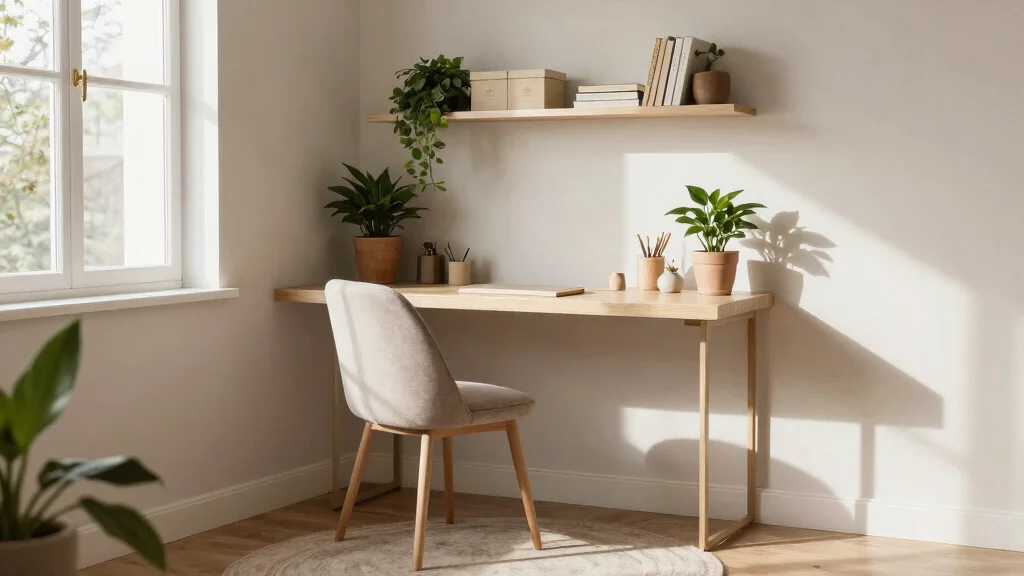
Finding a space to work in your home can feel like a puzzle, especially if you’re dealing with limited room. I created this post because many of us are transforming our homes into multifunctional spaces. Whether it’s a cozy nook or an awkward corner, there are countless opportunities to carve out a pocket office where you can focus. If you’ve been searching for clever ways to maximize your small space, you’re in the right place.
This guide is for anyone who longs for a dedicated workspace but struggles with cluttered corners and unused areas. If you’re into home decor, tiny home office solutions, or simply love creative design, you will find plenty of inspiration here. I pulled together 10 pocket office ideas that are practical, stylish, and perfect for elevating your home workspace design.
You’ll discover how to turn your forgotten spaces into productive areas with unique corner office solutions. From floating desks to vintage suitcase setups, these ideas will help you optimize your home’s layout while keeping it chic and functional. Let’s dive in and explore how you can transform those overlooked nooks into inviting workspaces!
Key Takeaways
– Maximize Small Spaces: Use creative pocket office ideas to transform unused corners into functional work areas that inspire productivity.
– Incorporate Multifunctional Furniture: Choose furniture that serves multiple purposes, making the most of your limited space while maintaining style.
– Consider Vertical Solutions: Wall-mounted desks and floating shelves can save floor space while adding storage and workspace.
– Design Cozy Nooks: Create inviting workspaces by blending comfort with function, turning reading nooks into efficient office setups.
– Explore Unique Locations: Look for unconventional spots like under stairs or on balconies that can serve as charming office spaces.
1. Floating Desk with Shelving
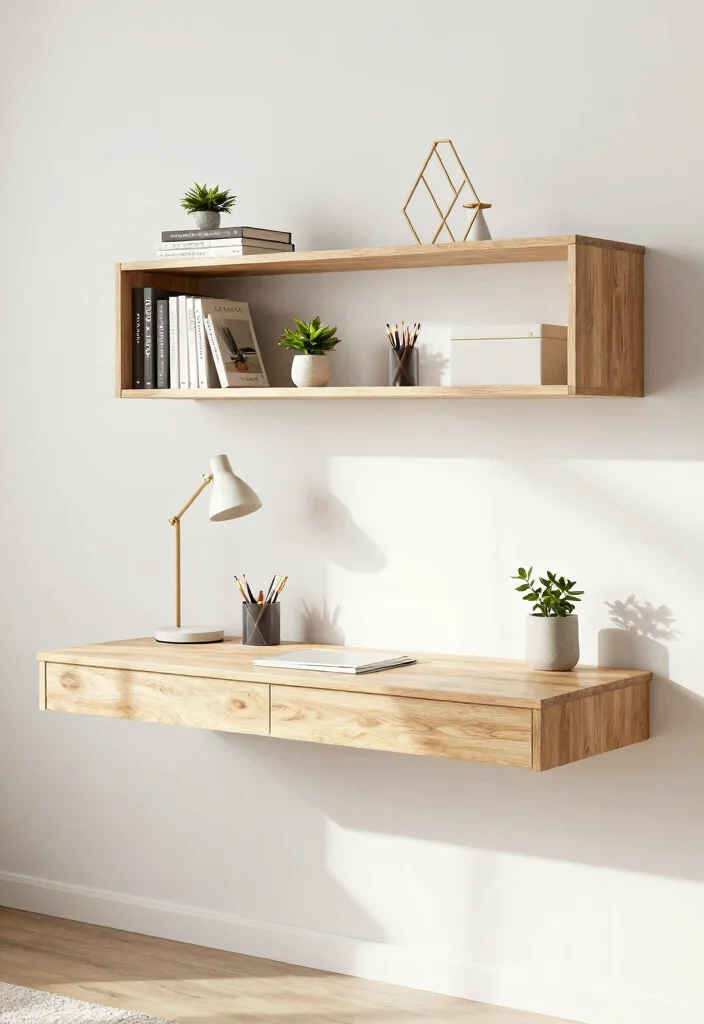
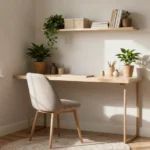
A floating desk paired with shelving is a brilliant way to maximize your small office space. This combination creates a streamlined look, allowing you to utilize vertical space effectively. The open wall beneath the desk keeps the area feeling light and airy, while the shelves provide practical storage for books and decorative items.
Opt for a natural wood finish or a bright, bold color to add personality. You can enhance the setup with plants or artwork, creating a workspace that inspires creativity.
Tips for this setup:
– Ensure the desk height suits your needs for comfort.
– Use shelves to keep both office supplies and personal touches organized.
– Incorporate under-shelf lighting for a warm ambiance.
This design not only provides a functional workspace but also adds a stylish focal point to your room!
Floating Desk with Shelving
Editor’s Choice




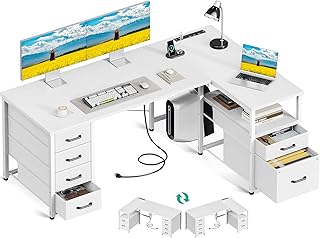
2. Corner Desk with Built-in Storage
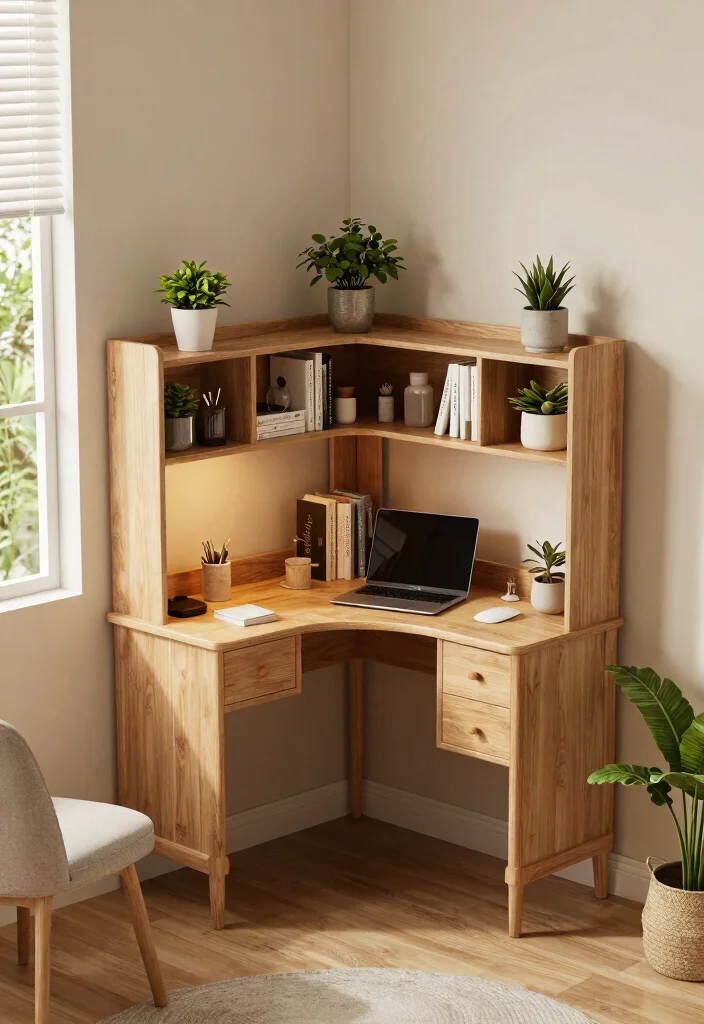
Transforming an unused corner into a productive workspace with a corner desk featuring built-in storage is an excellent choice. These desks fit snugly into corners, making great use of space that often goes unnoticed. The built-in compartments help keep your essentials organized, ensuring that you can focus on your tasks without distraction.
Look for designs that blend drawers and shelves seamlessly with the desk. This allows for easy access to files and supplies without cluttering your work surface.
Key features to consider:
– Choose a design that complements your home’s aesthetic.
– Ensure ample surface area for your computer and accessories.
– Opt for lightweight materials for durability and style.
This combination of functionality and style can turn an overlooked corner into a charming workspace.
Corner Desk with Built-in Storage
Editor’s Choice




3. Multi-functional Furniture
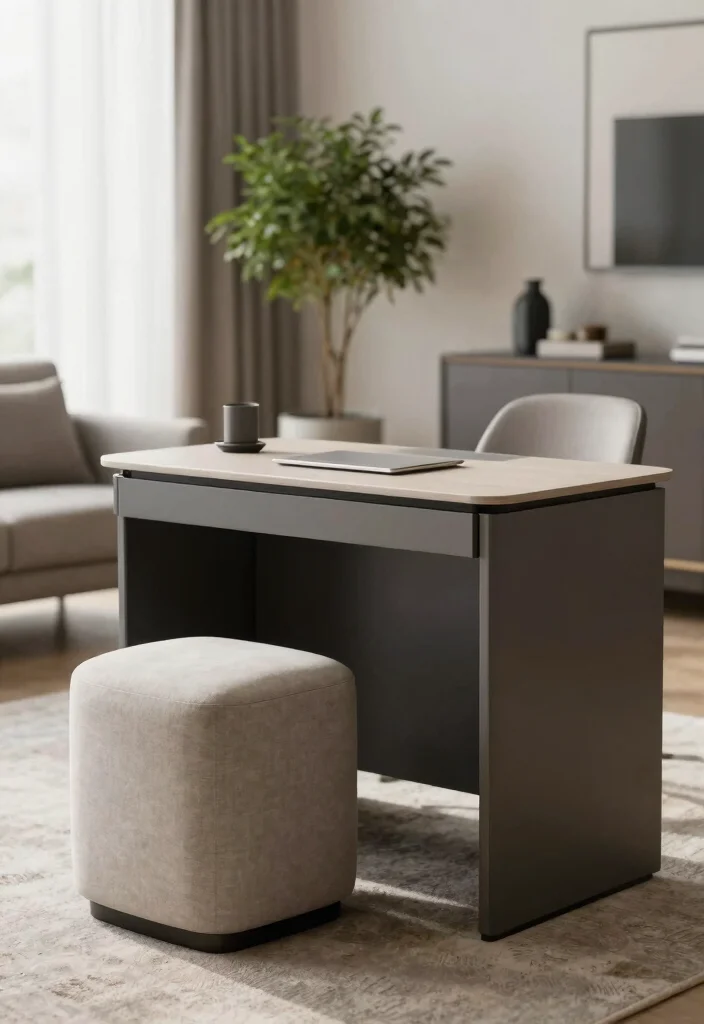
When space is limited, multifunctional furniture becomes your best ally. Look for pieces that serve dual purposes, like a desk that transforms into a dining table or a bench with hidden storage. This approach helps you save space while creating a versatile environment.
A foldable desk can be easily stored away, allowing for more room when it’s not in use. Consider ottomans that open up to reveal storage for office supplies or other essentials.
Benefits of multifunctional furniture:
– Reduce clutter by combining work and storage solutions.
– Adapt easily to your activities, whether working or entertaining.
– Incorporate unique design elements for added flair.
With multifunctional furniture, you can create a stylish and practical home office that meets all your needs!
Multi-functional Furniture
Editor’s Choice


4. Cozy Reading Nook Office
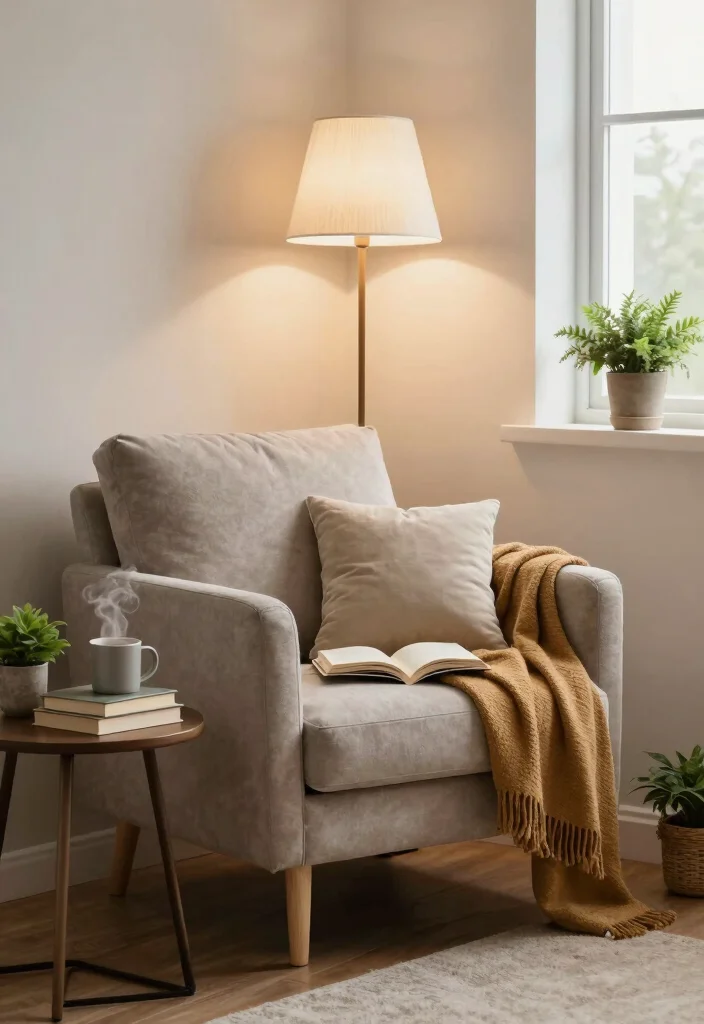
Imagine turning a quiet corner into a cozy reading nook with a small desk for those serene work moments. By adding a comfortable chair and a side table, you can create a welcoming atmosphere perfect for both reading and brainstorming.
Include soft cushions and a throw blanket to enhance comfort. This nook can serve not only as a workspace but also as a retreat where you can escape the day’s chaos.
To enhance this nook:
– Use soft lighting with a stylish floor lamp.
– Decorate with inspiring art and personal items.
– Incorporate greenery to liven up the space.
This setup provides a tranquil haven for rekindling your creativity while also serving your work needs.
Fun fact: turning a quiet corner into a cozy reading nook can raise pocket office ideas productivity by up to 25%. A soft chair, warm lighting, and a throw blanket make work feel like a retreat—and easier to brainstorm on the spot.
5. Wall-mounted Workstation
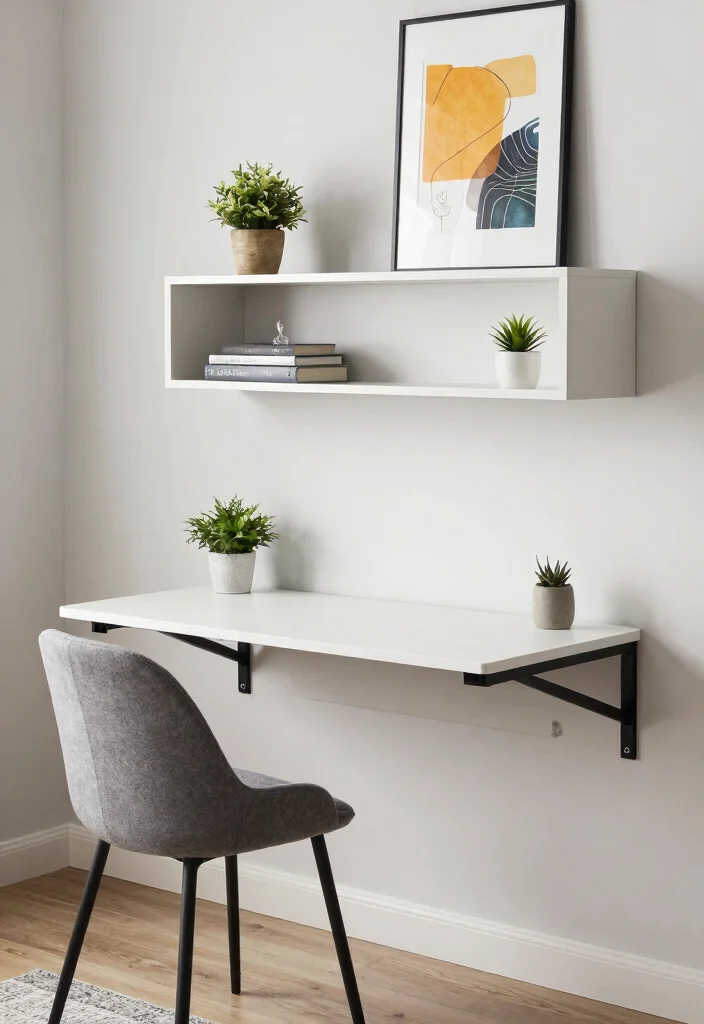
A wall-mounted workstation is ideal for those wanting to save valuable floor space. These compact designs can fold down when needed and disappear when not in use, making them perfect for tight areas. They often come with shelves or storage options, adding functionality without sacrificing style.
Look for models that include built-in lighting or power outlets to enhance your work comfort. Personalize the workspace with decorative items to make it feel more like home.
Consider these elements:
– Secure it properly to the wall for safety.
– Keep the design simple to maintain an airy feel.
– Choose a color scheme that harmonizes with your decor.
With a wall-mounted workstation, you can craft an impressive workspace that remains unobtrusive.
Did you know? A wall-mounted workstation can free up about 5–7 square feet of floor space, turning tight corners into functional desks. With built-in lighting and outlets, pocket office ideas finally fit your home in style.
6. Stylish Room Divider Office
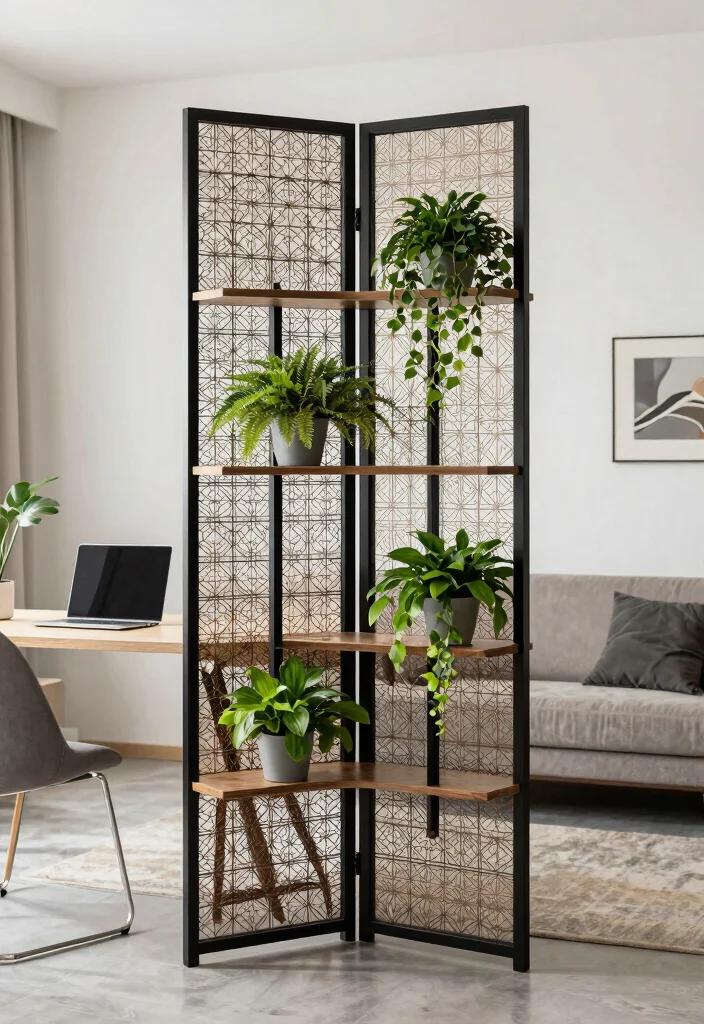
In an open-concept home, a stylish room divider can effortlessly create a dedicated office space without the need for permanent walls. This solution allows you to define your workspace while keeping the overall flow of the area intact.
Select dividers that are visually appealing, such as decorative screens or shelving units that enhance the decor. You can even add plants or artwork to make the divider a feature in its own right.
Benefits of a room divider office:
– Offers flexibility to reconfigure your space as needed.
– Provides additional storage or display opportunities.
– Helps minimize noise and distractions in shared areas.
Creating a workspace with a room divider allows you to work comfortably while maintaining a sense of openness in your home.
7. Under-Stair Office
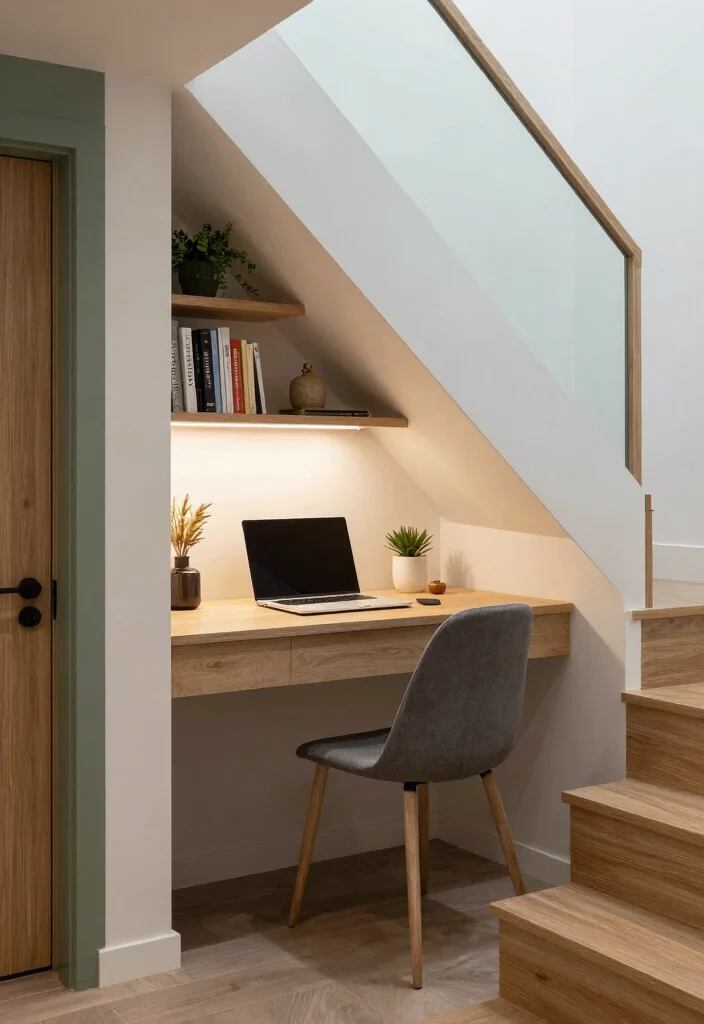
If your home features stairs, the area beneath can be a hidden treasure for a pocket office! This unique spot can accommodate a small desk and chair, allowing you to utilize an often-overlooked space effectively.
Choose a sleek, low-profile desk that fits snugly under the stairs, and consider adding shelves to keep your supplies organized. Personal touches like framed photos can make the area feel more inviting.
Things to keep in mind:
– Ensure sufficient lighting, whether natural or artificial.
– Use light colors to make the space feel larger.
– Maximize vertical storage with shelves or cabinets.
An under-stair office not only optimizes an awkward area but also adds charm to your home!
Did you know the space under stairs averages just 6–8 square feet, yet it’s perfect for a pocket office? Install a slim desk, add shelves, and include a lamp—your tiny workspace will feel surprisingly roomy and organized.
8. Closet Office
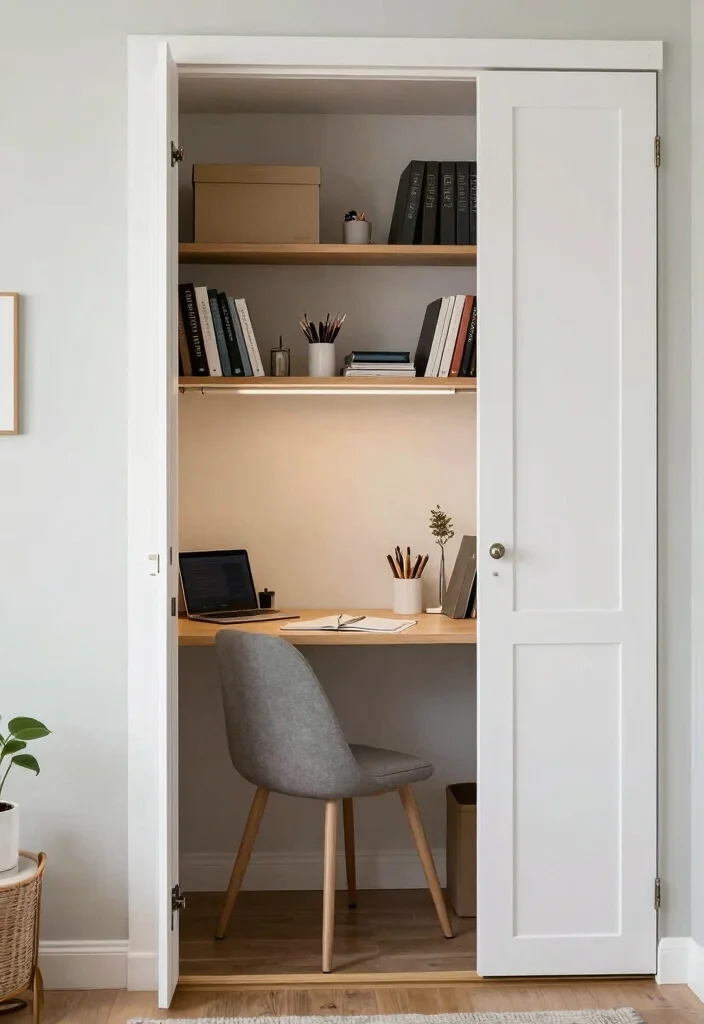
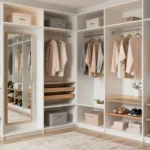
Transforming a closet into a mini-office has gained popularity among those looking to maximize their space efficiently. By removing doors or keeping them intact, you can create a cozy workspace that feels separate yet integrated.
This change allows you to conceal your work materials when not in use, maintaining a tidy appearance in your home. Start with a desk that fits snugly inside, paired with shelves or organizers for your office essentials.
Key considerations for a closet office:
– Ensure adequate lighting, either natural or through lamps.
– Use bright colors or light decor to create an airy feel.
– Choose a comfortable chair that fits within the closet’s space.
A closet office is a perfect solution for those wanting a workspace that can be hidden away, promoting a clean and organized environment.
Dimensions & Size Guide
Standard Sizes & Measurements:
When you’re planning your pocket office, it’s essential to consider the right dimensions. Typical desk sizes range from 48 to 60 inches in width and around 24 to 30 inches in depth. If you’re opting for a corner desk, ensure it’s around 30 inches deep so it fits snugly in the corner without wasting space.
For chairs, aim for a seat height of 18 to 20 inches, ensuring it pairs well with your desk’s height—generally 28 to 30 inches tall. This combination allows for comfortable seating while you work.
If you’re looking at wall-mounted workstations, remember to keep the height between 28 to 36 inches from the floor. This ensures they’re accessible yet functional.
Minimum requirements for proper fit or function:
To function well, a home workspace needs at least 36 inches of clearance behind your chair for easy movement. If you’re using a floating desk or wall-mounted unit, ensure you have enough room to pull up a chair comfortably. For multifunctional furniture, consider pieces that can be folded or stowed away when not in use, creating more space in a small area.
Space planning considerations:
Plan your layout thoughtfully. For instance, allow for at least 3 feet of space between your desk and the nearest wall or furniture. This spacing will give you room to move, add storage, and even accommodate visitors without feeling cramped.
If you’re converting a closet into an office, aim for a minimum depth of 24 inches and a width of at least 36 inches to fit a small desk and allow some storage.
Quick Reference Table:
Size/Dimension – Best for: [use case], Minimum space needed: [measurement]
– 48-60 inches wide desk – Best for: Standard office use, Minimum space needed: 36 inches behind
– Corner desk (30 inches deep) – Best for: Small rooms, Minimum space needed: 36 inches on each side
– Wall-mounted workstation (28-36 inches high) – Best for: Compact areas, Minimum space needed: 24 inches
– Chair (18-20 inches high) – Best for: Ergonomic seating, Minimum space needed: 36 inches clearance
Space Planning Tips:
1. Measure Twice: Before buying furniture, measure the space where you plan to place it. This simple step can prevent awkward fits that hinder functionality.
2. Consider Traffic Flow: Ensure your office is easy to navigate. Keep pathways clear, with at least 3 feet of space for movement.
3. Visualize Before You Commit: Use tape or cardboard to outline where your furniture will go. This visual can help you see how everything fits together before making a purchase.
4. Think About Lighting: Position your desk near a window if possible. Natural light can enhance your workspace and boost productivity. Ensure there’s enough space for lamps or overhead lighting as well.
5. Avoid Clutter: Keep your workspace tidy by incorporating storage solutions like shelves or bins. This will help utilize vertical space and keep your desk clear.
Pro Tip: The most important measurement to consider is the height of your desk relative to your chair. A comfortable desk height can make all the difference in your productivity and comfort! Aim for a 24-inch difference between the seat of your chair and the tabletop for an ergonomic setup.
9. Balcony Office
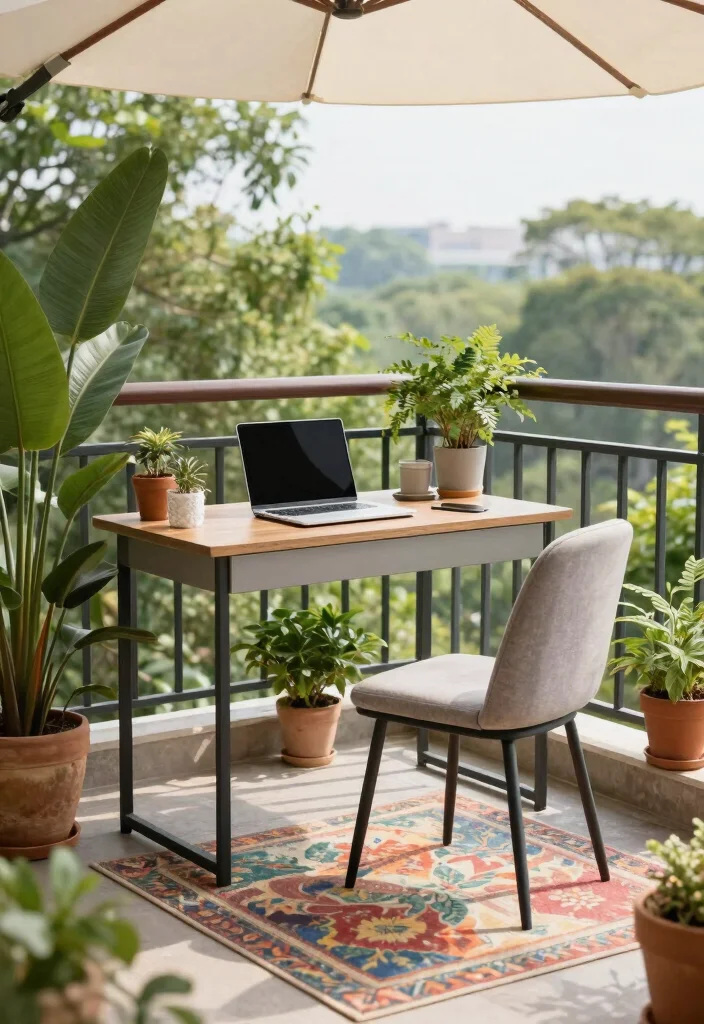
If you have a balcony, consider it an excellent location for a pocket office! Set up a small desk and chair to enjoy the fresh air while you work. This outdoor workspace can invigorate your creativity and boost your well-being, providing a refreshing break from indoor settings.
Add potted plants or outdoor-friendly decor to make the space inviting. Incorporating an umbrella or awning can shield you from direct sunlight, ensuring comfort.
Tips for a balcony office:
– Choose furniture that is durable and suitable for outdoor conditions.
– Use outdoor rugs to define the area and enhance style.
– Keep an eye on weather conditions to protect your equipment.
A balcony office offers a unique twist to your work routine, creating an energizing working environment.
Balcony Office
Editor’s Choice


10. Vintage Suitcase Desk
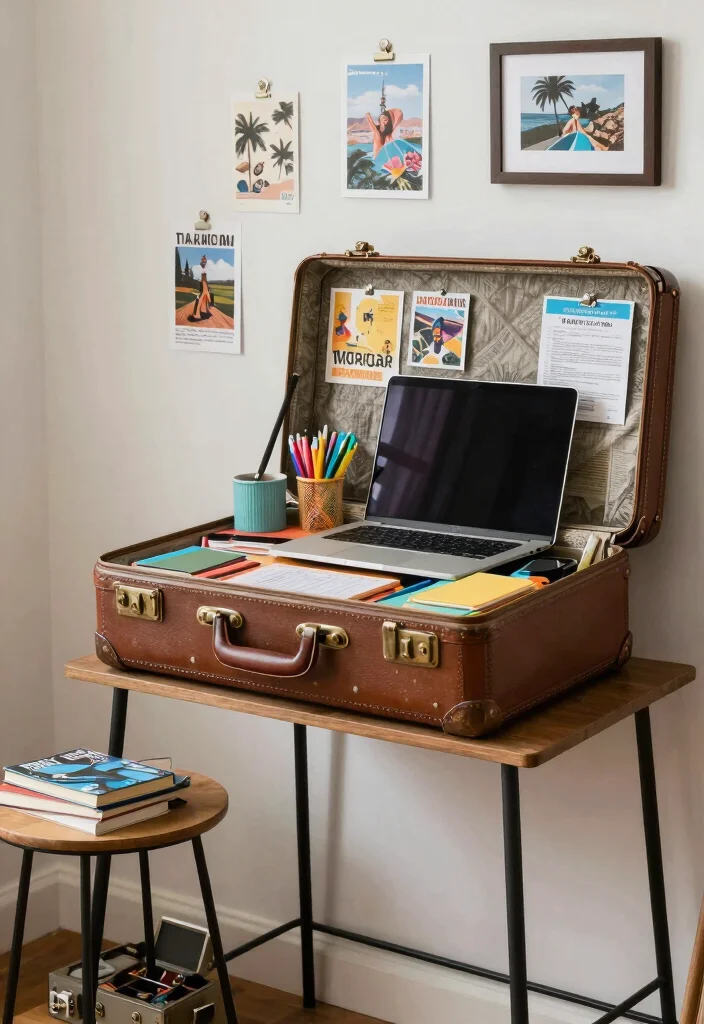
For a whimsical touch, consider using a vintage suitcase as a desk! These charming pieces can infuse your home office with character while remaining functional. Select a suitcase that opens easily and has enough space for your laptop and supplies.
Position it on a small side table or designated shelf to reach a comfortable height. Layer the area with decor that complements the suitcase’s style, crafting a unique workspace that reflects your personality.
Key elements to bring this idea to life:
– Look for a suitcase with an interesting pattern or color.
– Incorporate travel-themed decor or related books.
– Use flexible lighting options to brighten your creative space.
This vintage suitcase desk brings a nostalgic charm to your pocket office setup, making work a delightful experience.
Vintage Suitcase Desk
Editor’s Choice


Conclusion
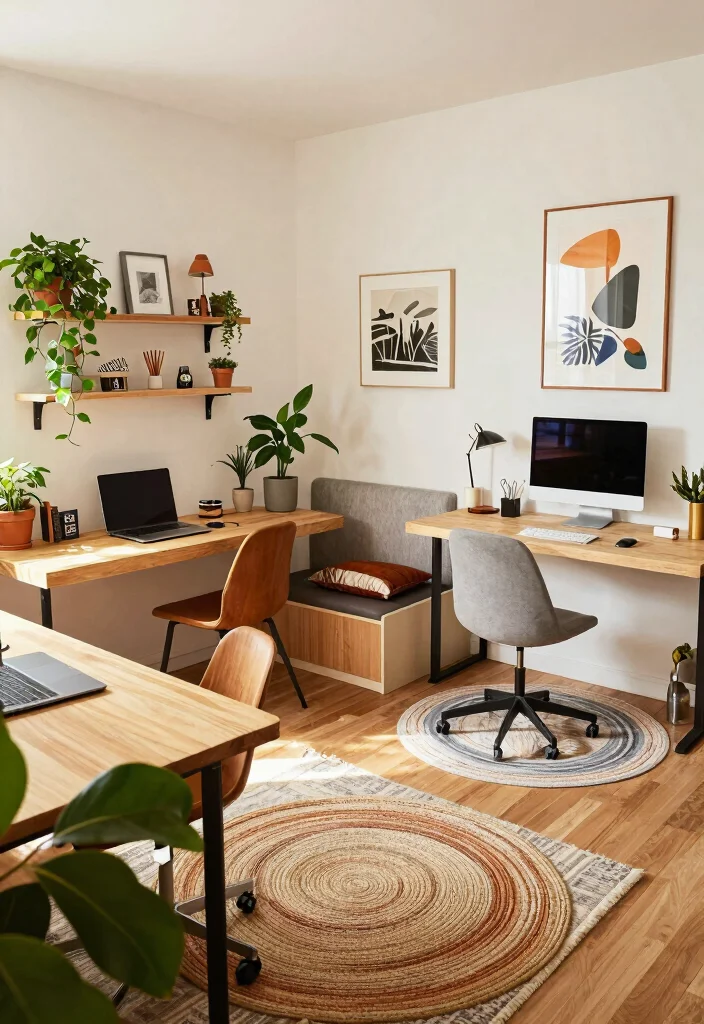
Turning unused corners and nooks into functional pocket offices is an exciting way to enhance your home decor while maximizing your tiny space. With these creative ideas, you can make every inch of your home work for you without sacrificing style. From wall-mounted stations to cozy reading nooks, there are countless ways to create a personal workspace that matches your lifestyle. Embrace these unique designs and transform your home into a blend of comfort and productivity!
Note: We aim to provide accurate product links, but some may occasionally expire or become unavailable. If this happens, please search directly on Amazon for the product or a suitable alternative.
This post contains Amazon affiliate links, meaning we may earn a small commission if you purchase through our links, at no extra cost to you.
Frequently Asked Questions
What are pocket office ideas for unused corners and nooks?
Pocket office ideas for unused corners and nooks can transform tight spaces into productive work zones.
Start with a compact desk and a comfortable chair, then add vertical storage like corner shelves to keep surfaces clear. A fold-down desk or a wall-mounted workspace can tuck away when you don’t need it, perfect for small space office setups.
Finish with smart cable management and light, reflective finishes to make the area feel larger, plus a few decorative touches to keep motivation high. These pocket office ideas show how any unused corner can become a productive office nook.
How can I design a tiny home office in a corner without sacrificing living space?
Designing a tiny home office in a corner doesn’t have to feel cramped. Start with a fold-down desk mounted to the wall and a compact ergonomic chair that hides under the counter when not in use.
Choose multifunctional furniture—think a storage ottoman or a side table with integrated charging—so you stay productive without extra clutter.
Go vertical with wall shelves and a pegboard for tools and supplies, then keep the palette light and bright to maintain a feeling of openness. Finish with ample task lighting and smart cable management to deliver a real small space office in a corner.
What are the best multifunctional furniture options for corner office solutions?
On a budget, look for multifunctional furniture that doubles as storage and workspace. A fold-down wall desk turns a corner into a tidy desk in seconds. A sofa bed with built-in desk or a storage ottoman keeps seating and workspace close at hand. Consider a tall corner shelving unit that provides vertical storage without wasting floor space, plus a pegboard to keep supplies visible and reachable. These corner office solutions maximize every inch while maintaining a clean, focused home workspace design.
How can I maximize natural light in a pocket office in a small corner?
To brighten a pocket office, lean into natural light whenever possible. Use a light color palette and reflective surfaces like glass or mirrors opposite the window to bounce light around. Position your compact desk near the window, and opt for a slim, transparent desk chair that doesn’t block light. Add adjustable LED daylight bulbs for cloudy days, and keep window treatments minimal so light isn’t blocked. A bright pocket office with good lighting improves mood and productivity—key for any home workspace design in a tiny space.
Are there budget-friendly pocket office ideas for small spaces?
Absolutely. You can create a functional corner workspace on a budget with a few smart moves. Reuse and repurpose: a kitchen cart, a scrap piece of lumber for a fold-down desk, or a pegboard from a thrift store. Add DIY shelving from cheap boards and brackets, and keep it organized with cable management and baskets. Look for secondhand desks or a small wall-mounted desk to keep costs down. With a little creativity, these pocket office ideas deliver a stylish small space office without breaking the bank.