Creating a small home office that actually works can feel like an uphill battle. With more people turning their living spaces into workspaces, the need for functional yet stylish ideas has never been greater. This post is here to help you navigate that challenge. It’s packed with smart solutions that show how you can make the most out of a small area without sacrificing comfort or style.
If you’re someone who appreciates minimalist design and seeks to optimize limited space, you’re in the right place. You might be juggling your job with a busy home life or simply want a cozy corner that inspires productivity. Whatever your reason, finding small home office ideas that balance both function and aesthetics is key. This guide offers you twelve effective workspace concepts that will transform how you think about your home office setup.
From multifunctional furniture to clever organization hacks, you’ll discover ideas that are practical, creative, and truly functional. By the end of this post, you’ll be equipped with actionable tips that can help you create a workspace that not only looks good but also enhances your productivity. Let’s dive into these small home office ideas that work!
Key Takeaways
– Floating Desks: These desks save floor space while providing a stylish surface for your work. They can be mounted at any height, making them perfect for your needs.
– Multi-Functional Furniture: Invest in furniture that serves more than one purpose. For example, a desk with built-in storage helps keep things organized and reduces clutter.
– Vertical Storage Solutions: Use wall space with shelves and hooks to store supplies. This keeps your desk clear and encourages a more organized workspace.
– Personal Touches: Adding items that reflect your personality can make your workspace more inviting. Consider art, plants, or photos to create a space that feels uniquely yours.
– Smart Technology: Incorporate tech that boosts productivity, like wireless chargers and efficient lighting. These small upgrades can make a big difference in your daily routine.
1. Floating Desks: Maximize Floor Space
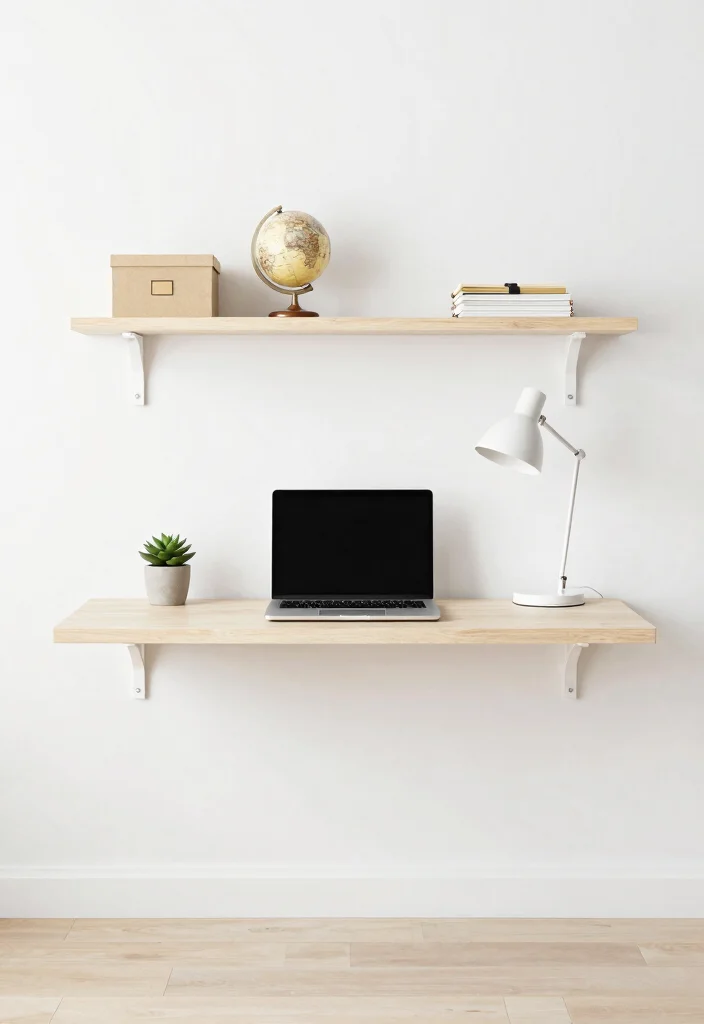
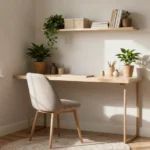
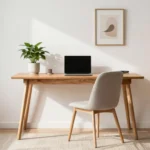
Floating desks have become increasingly popular as they offer a stylish solution to small home office challenges. This design principle not only conserves floor space but also creates a sense of openness in your workspace. By mounting the desk at your desired height, you can achieve a personalized touch that feels both functional and modern. Pairing this desk style with light colors and natural elements can further enhance the airy atmosphere.To make the most out of a floating desk, consider adding shelving above to keep your workspace organized and visually appealing. A few curated decor pieces can provide inspiration without cluttering your area. Opt for a chair that complements your desk to elevate the overall look and feel of your office.Tips for choosing the perfect floating desk:– Select a durable material like wood or metal for longevity.
– Incorporate cable management solutions to maintain a neat appearance.
– Pair with ergonomic seating for comfort during longer work sessions.
Problems to avoid:– Mounting at an incorrect height to prevent discomfort.
– Overlooking your storage needs, leading to potential clutter.
A floating desk can beautifully merge style and functionality, enhancing your small office while providing a contemporary workspace.
Fun fact: floating desks free floor space and boost small home office ideas workspaces. When mounted at your ideal height, they feel modern and personal. Pair them with light colors and natural elements for an airy, more productive setup.
Floating Desks: Maximize Floor Space
Editor’s Choice





2. Multi-Functional Furniture: Purpose Meets Style
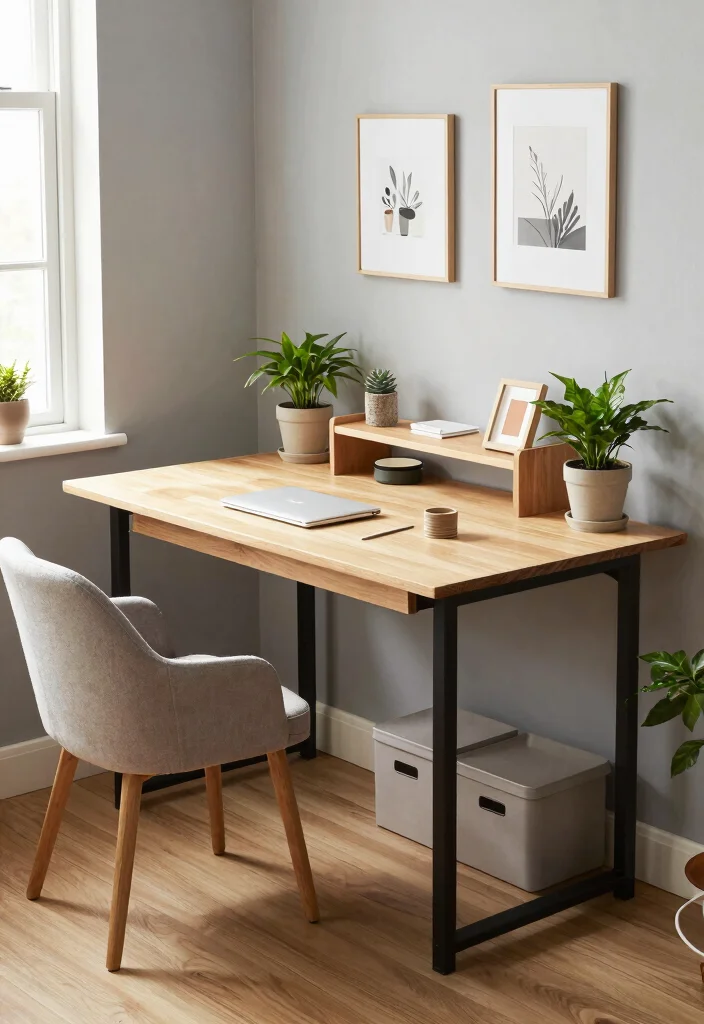
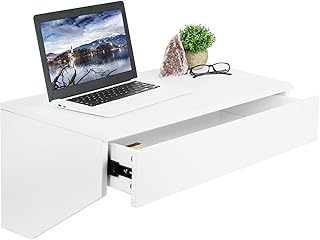
In small home offices, choosing multi-functional furniture is essential for maximizing utility without compromising style. Pieces that serve dual purposes, like desks that convert into dining tables or storage chairs, help maintain a clean and minimalistic look while adding comfort. These innovative designs not only conserve space but also keep your office organized and inviting.Look for options such as desks with built-in drawers or foldable tables that can be tucked away when not in use. A compact armchair can double as extra seating for guests while being easily movable, enhancing your workspace’s flexibility.Benefits of multi-functional furniture:– Maximize utility while keeping your space open.
– Increase the adaptability of your home office.
– Inspire creative solutions to workspace organization.
When selecting these versatile items, ensure they align with your decor style to create a cohesive aesthetic that feels inviting and functional.
Fun fact: A desk that folds into a dining table can reclaim up to 30% of floor space in a tiny home office. These small tweaks unlock space for a comfy chair, boosting productivity in small home office ideas workspaces.
Dimensions & Size Guide
Standard Sizes & Measurements:
When planning your small home office, understanding the right sizes is key. Here are some common dimensions to guide you:
– Desks: The standard desk size is usually around 48 to 72 inches wide. A depth of 24 to 30 inches offers enough workspace. For small spaces, consider a desk that is at least 48 inches wide for comfortable use.
– Chairs: Typically, office chairs are around 18 to 20 inches wide. Ensure there’s at least 30 inches of space between your desk and the wall for easy movement.
– Storage Units: A small bookshelf or open shelving unit can be around 24 to 36 inches wide and up to 72 inches tall. This allows for vertical storage without taking much floor space.
– Floating Desks: These can be as small as 30 to 48 inches wide, making them perfect for tight spaces. Ensure there’s a minimum clearance of 36 inches from the floor for legroom.
Quick Reference Table:
Size/Dimension – Best for: [use case], Minimum space needed: [measurement]
– 48″ Desk – Best for: Compact workspaces, Minimum space needed: 5′ x 6′
– 24″ Chair Width – Best for: Comfort and movement, Minimum space needed: 3′ x 3′
– 30″ Floating Desk – Best for: Minimalist setups, Minimum space needed: 3.5′ x 5′
– 36″ Storage Unit – Best for: Vertical organization, Minimum space needed: 4′ x 6′
Space Planning Tips:
1. Measure Twice, Cut Once: Always measure your space before purchasing furniture. Don’t just guess! Knowing the dimensions ensures everything fits well.
2. Sketch Your Layout: Draw a simple floor plan on paper. This helps visualize where everything will go and how much space is left for movement. Don’t forget to leave pathways!
3. Consider Door and Window Placement: Make sure your desk isn’t blocking any doors or windows. You want natural light without obstruction for a more productive environment.
4. Think About Cable Management: Ensure there’s enough space for any wiring or cables. A clutter-free workspace is vital for focus and productivity.
5. Avoid Overcrowding: It’s tempting to fill the space with furniture, but less is often more in a small home office. Choose essentials and leave room to breathe.
Pro Tip: Pay special attention to chair height. Aim for your knees to be at a 90-degree angle when seated. This will not only keep you comfortable but also boost your productivity! 🚀
3. Vertical Storage Solutions: Go Up, Not Out
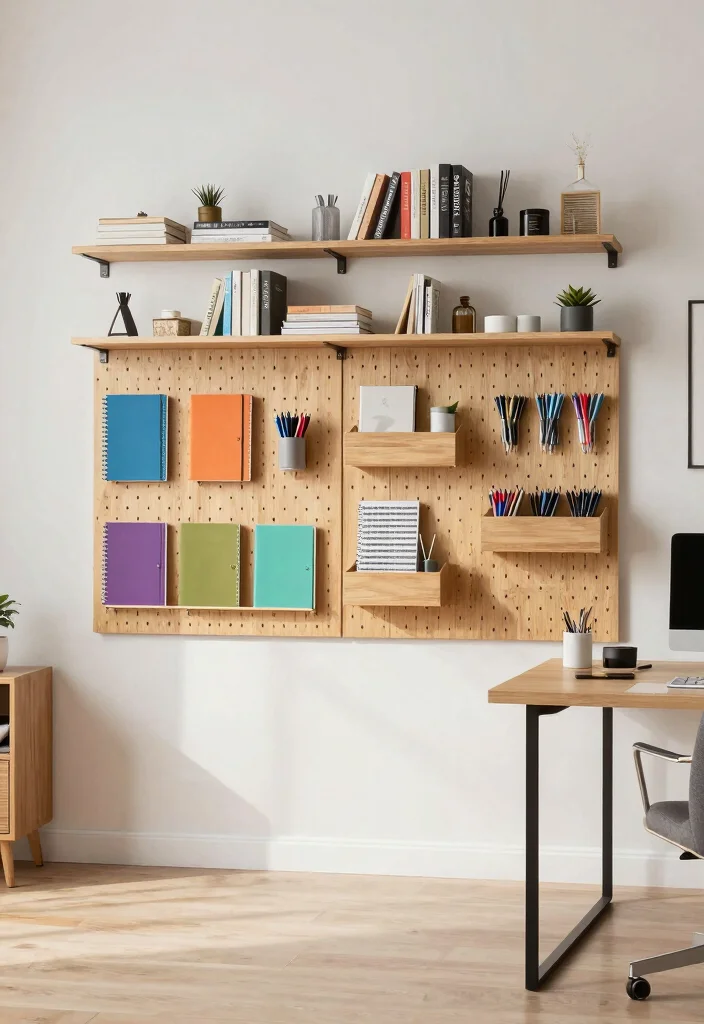
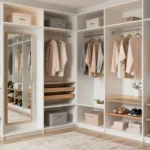
When working with limited floor space, vertical storage solutions can be a game changer for your home office. Utilizing wall-mounted shelves, pegboards, or tall bookcases allows you to keep your supplies organized without sacrificing precious floor area. This approach not only optimizes space but also adds an interesting dimension to your office design.By creating a gallery wall with shelves or art, you can infuse personality into your workspace while keeping it tidy. Clear bins or decorative baskets can enhance the visual appeal while ensuring everything is easily accessible.Insights on vertical storage:– Use hooks and shelves for frequently accessed items.
– Personalize with decorative storage options for a stylish touch.
– Organize items by category to maintain order and accessibility.
Incorporating vertical storage solutions can transform your workspace into a highly organized and visually engaging area, fostering both creativity and efficiency.
Vertical storage can elevate small home office ideas workspaces. Install wall-mounted shelves, pegboards, or tall bookcases to keep supplies tucked away without crowding the floor. Pro tip: create a gallery wall with functional storage to blend organization with personality.
Vertical Storage Solutions: Go Up, Not Out
Editor’s Choice



4. Cozy Nooks: Create an Inviting Atmosphere
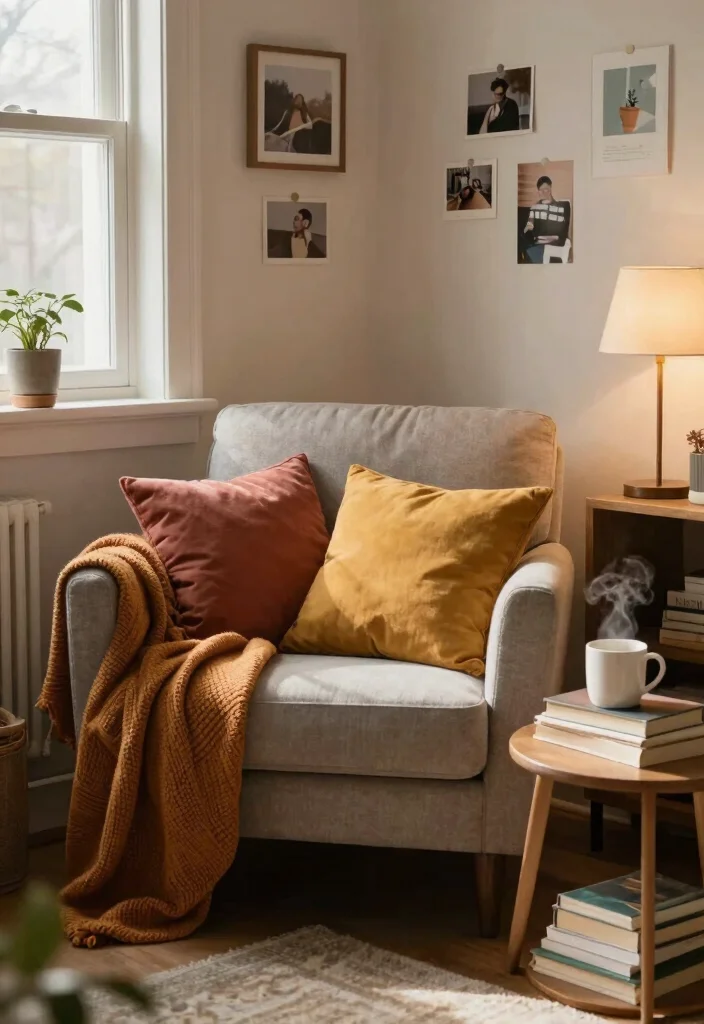
Creating a cozy nook in your small home office can significantly enhance your comfort and productivity. Whether you repurpose a corner of your living room or bedroom, adding soft furnishings and inviting decor is key to crafting an inspiring workspace. Elements like a plush armchair or small sofa, paired with warm lighting, can turn a simple area into a relaxing retreat.Incorporate a side table for your coffee or notebooks, and consider using ambient lighting like stylish desk lamps or fairy lights to set a calming atmosphere. Warm colors in your decor can further enhance this inviting space.Design tips for your cozy nook:– Incorporate soft textures like rugs and cushions for added comfort.
– Keep work materials organized within reach to avoid clutter.
– Personalize with photos or art that inspires you.
A cozy nook not only promotes relaxation but also merges comfort with functionality, making your workspace a haven for creativity.
5. Color Coordination: Harmonize Your Workspace
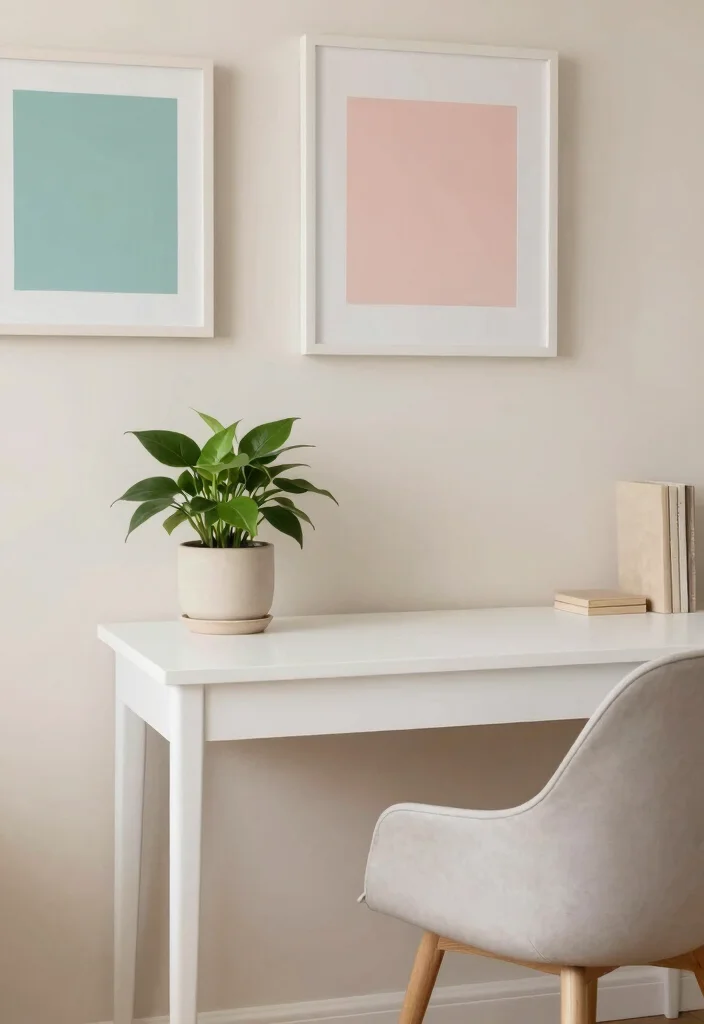
The color scheme in your home office plays a vital role in shaping your mood and productivity. A minimalistic approach to color coordination involves using a limited palette of complementary hues to create a serene and inviting atmosphere. Soft neutrals combined with vibrant accents can energize your space without feeling overwhelming, encouraging creativity and focus.Using colors to delineate different zones within your office can also be beneficial. For example, a calming area for focused work contrasted with a vibrant section for brainstorming can enhance your workflow.Color tips to enhance your workspace:– Use wall paint and decor to introduce color effectively.
– Incorporate plants for natural color and liveliness.
– Maintain consistency; avoid using too many colors to prevent chaos.
A thoughtfully curated color palette can foster a harmonious environment that boosts creativity and productivity in your workspace.
6. Under-Desk Storage: Keep It Out of Sight
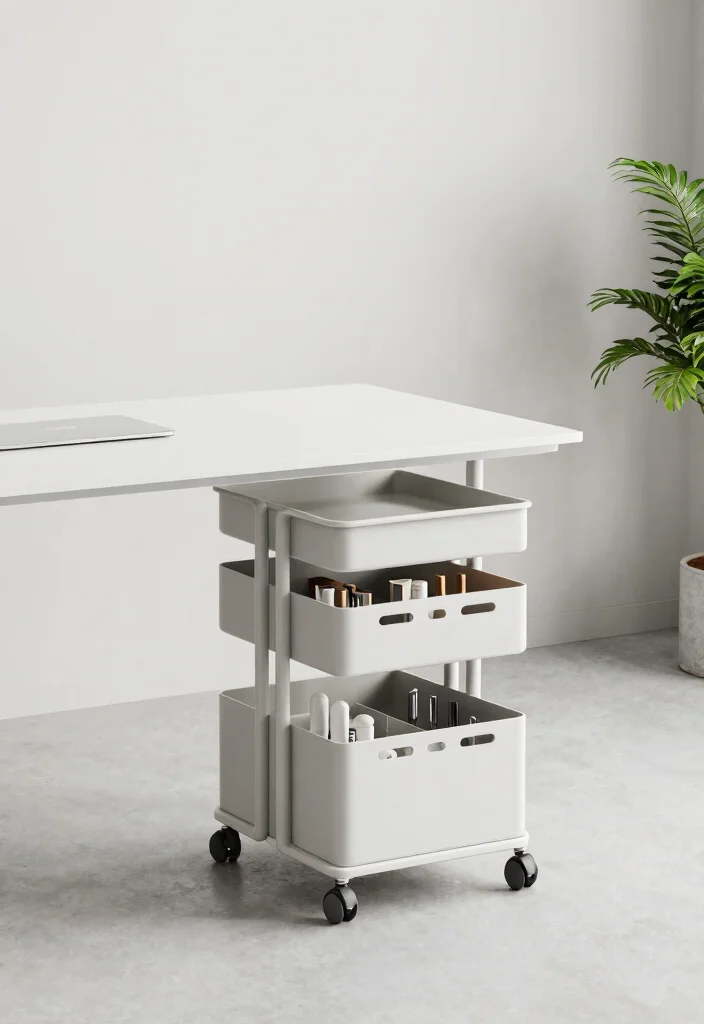
Implementing under-desk storage solutions can revolutionize your small home office setup. Keeping your workspace free from clutter is essential for maintaining focus, and under-desk options allow you to hide away supplies while ensuring easy access. This space-saving strategy not only enhances organization but also creates a visually appealing atmosphere.Consider rolling carts or bins that can slide under your desk to customize your storage according to your needs. Clear containers help you quickly locate items while maintaining a sleek aesthetic, and fabric organizers can add to the minimalist vibe.Benefits of under-desk storage:– Maximize floor space by keeping items discreetly stored.
– Promote a clean, clutter-free work environment.
– Adapt your organization to fit your workflow easily.
Utilizing under-desk storage is an effective way to maintain a polished and professional workspace, enhancing both functionality and style.
7. Natural Elements: Bring the Outside In
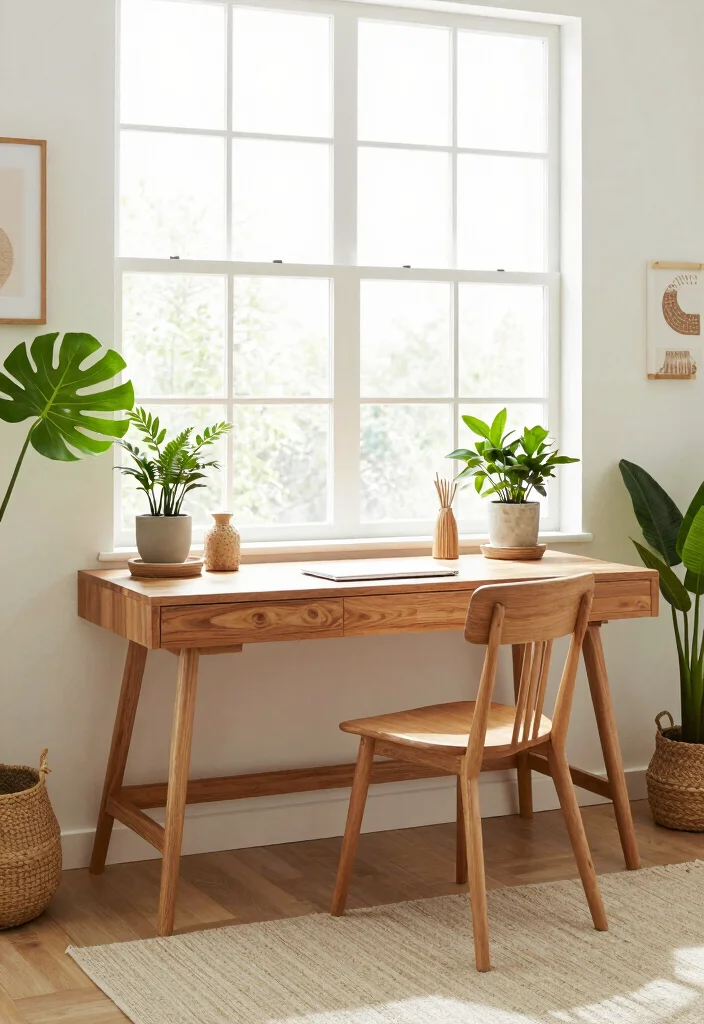
Incorporating natural elements into your home office can significantly improve your well-being and productivity. Elements like plants, wooden finishes, and organic textiles foster a calming atmosphere that encourages focus. Greenery not only purifies the air but also infuses life and color into your workspace, creating a more inviting environment.Opt for low-maintenance options like succulents or snake plants that thrive indoors. Furniture crafted from natural materials such as wood or rattan adds warmth and texture, while layering fabrics like cotton or linen enhances comfort and style.Insights on natural elements:– Use plants of various sizes to add visual depth.
– Maximize natural light by positioning your desk near windows.
– Balance organic elements with your existing decor style for harmony.
Creating a workspace rich in natural elements fosters a serene and enjoyable atmosphere, making it a pleasure to tackle your tasks.
8. Personal Touches: Showcase Your Personality
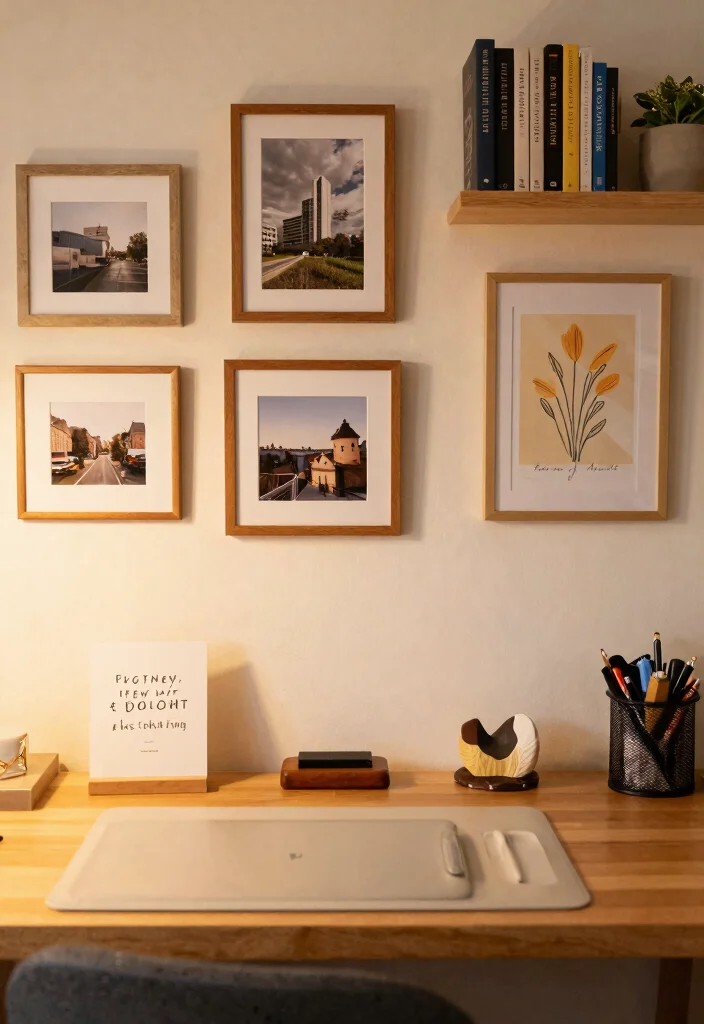
Adding personal touches to your small home office helps to craft a space that genuinely reflects who you are. Displaying art you cherish, family photos, or favorite books not only inspires creativity but also creates a welcoming environment. It’s vital to select a few key items that resonate with you, arranging them thoughtfully to avoid overwhelming your workspace.A curated collection can provide motivation and a sense of belonging while minimizing distractions. Using cohesive frames or matching colors can help maintain a uniform aesthetic throughout your office.Ideas for personalizing your workspace:– Include items that spark joy and motivation for daily inspiration.
– Mix textures and materials for added visual interest.
– Rotate decor pieces regularly to keep the space feeling fresh.
Personal touches transform your office from a mere workspace into a personal retreat, where creativity can truly flourish.
Personal Touches: Showcase Your Personality
Editor’s Choice





9. Dedicated Zones: Define Your Space
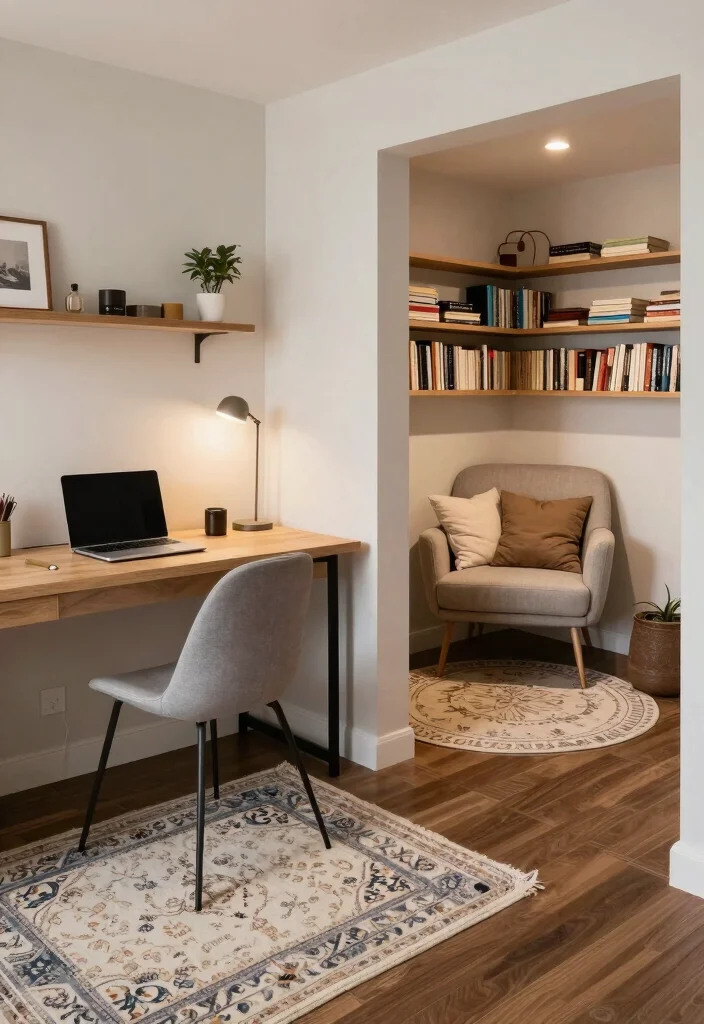
Creating dedicated zones within your small home office can enhance your focus and boost productivity. By segmenting areas for specific tasks—like computer work, writing, or relaxation—you can manage your time more effectively and maintain a structured workflow. This thoughtful organization can lead to a more efficient working environment.Utilizing rugs, furniture arrangements, or even paint colors can help define these distinct zones. For instance, a cozy reading nook in one corner with a comfortable chair and bookshelf offers a break from screen time, while a clearly defined desk area emphasizes work tasks.Effective ways to create zones:– Use rugs to visually separate different areas.
– Create a supply corner with a small cart for easy access.
– Designate an area for brainstorming, with materials readily available.
Establishing dedicated zones in your home office can lead to improved time management and a more organized, productive workspace.
10. Minimal Decor: Less is More
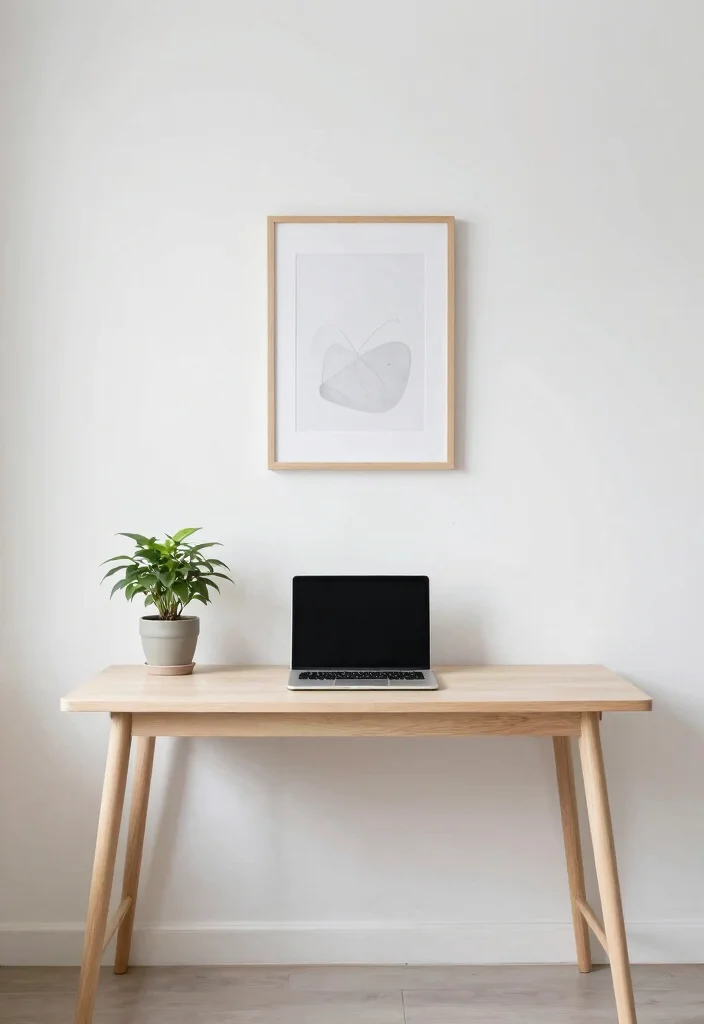
Embracing minimal decor is essential for creating a functional workspace in a small home office. By focusing on simplicity, you can reduce distractions and maintain clarity of thought. Stick to essential items that serve a purpose, eliminating anything that doesn’t contribute positively to your work experience.A clean, minimalistic workspace not only looks visually appealing but also fosters mental clarity. Simple color schemes, fewer decor items, and well-organized materials can create a peaceful environment where productivity thrives.Tips for achieving minimal decor:– Use multi-functional decor items that combine beauty and utility.
– Keep surfaces clear; only display what’s essential for your work.
– Strategically use a few key accent pieces to add interest.
Adopting a minimal decor philosophy helps maintain a serene, distraction-free workspace, allowing your productivity to flourish.
Minimal Decor: Less is More
Editor’s Choice


11. Creative Lighting: Brighten Your Space
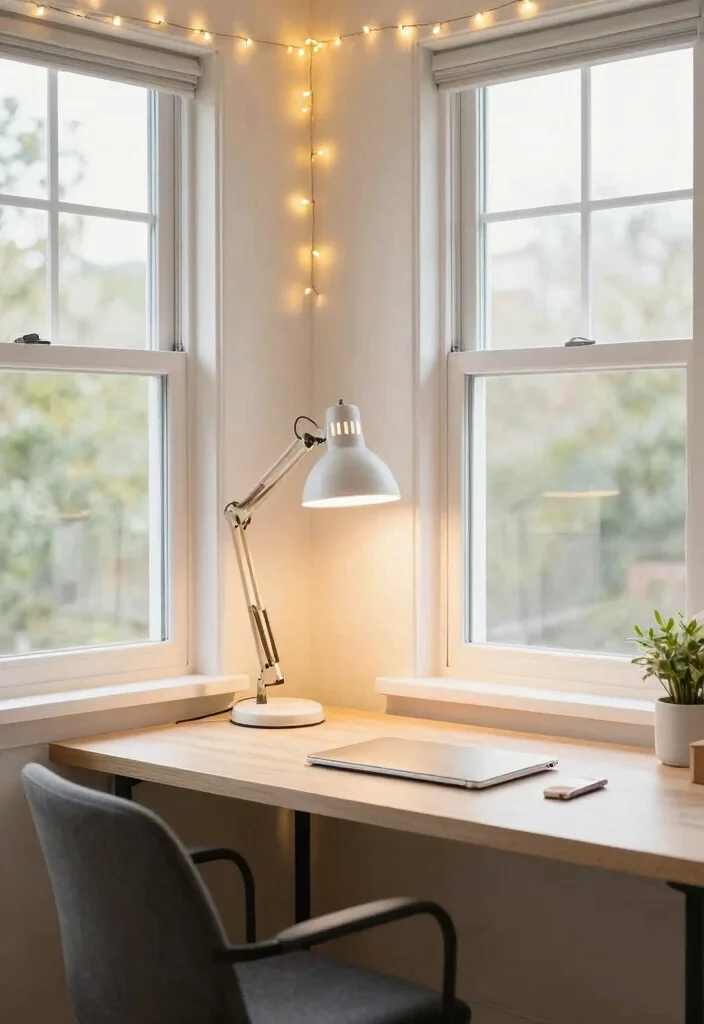
Lighting is a critical element in establishing the right mood for your home office. Proper illumination can enhance focus and reduce eye strain, making it imperative to select suitable fixtures. A combination of task, ambient, and accent lighting creates a well-lit environment that is both functional and inviting.Task lighting, such as desk lamps, should provide enough light for your work area, while ambient lighting should create a soft glow throughout the room. Adding decorative lighting, like string lights or unique lamps, can infuse personality and warmth into your workspace.Lighting tips for your home office:– Position your desk near natural light sources for daylight working.
– Use dimmable lamps to adjust brightness for different tasks.
– Incorporate accent lighting to create a cozy atmosphere after hours.
Thoughtful lighting design can transform your small home office into an energizing and welcoming space that boosts productivity.
12. Smart Technology: Boost Your Productivity
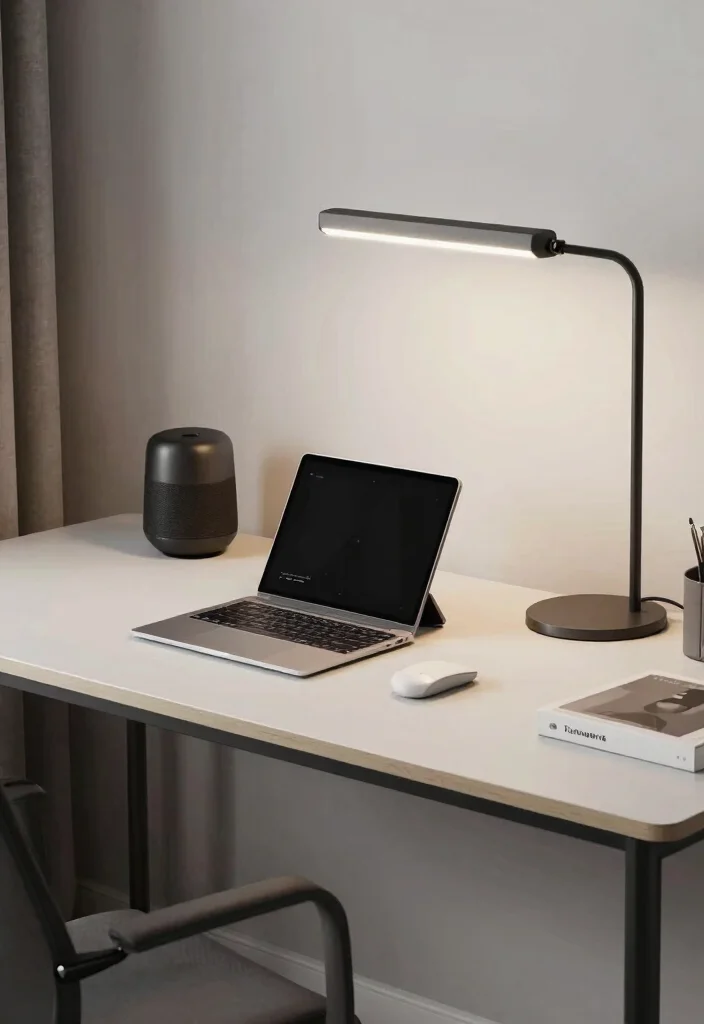
In our digital age, integrating smart technology into your home office can significantly improve productivity. Smart devices streamline tasks, enhance organization, and create a more efficient workspace. From smart speakers to app-controlled lighting, technology can simplify your work life, allowing you to focus on what truly matters.Consider using task management apps, voice-activated assistants for reminders, or smart plugs to control devices remotely. These tech enhancements can have a meaningful impact on how efficiently your office operates, freeing you to concentrate on your work.Tech tips for a smarter home office:– Choose devices that easily integrate with your setup.
– Minimize tech clutter; prioritize essential gadgets only.
– Regularly update software and apps for optimal performance.
Incorporating smart technology can help you create a modern, efficient workspace that adapts to your needs and fosters productivity.
Smart Technology: Boost Your Productivity
Editor’s Choice


Conclusion
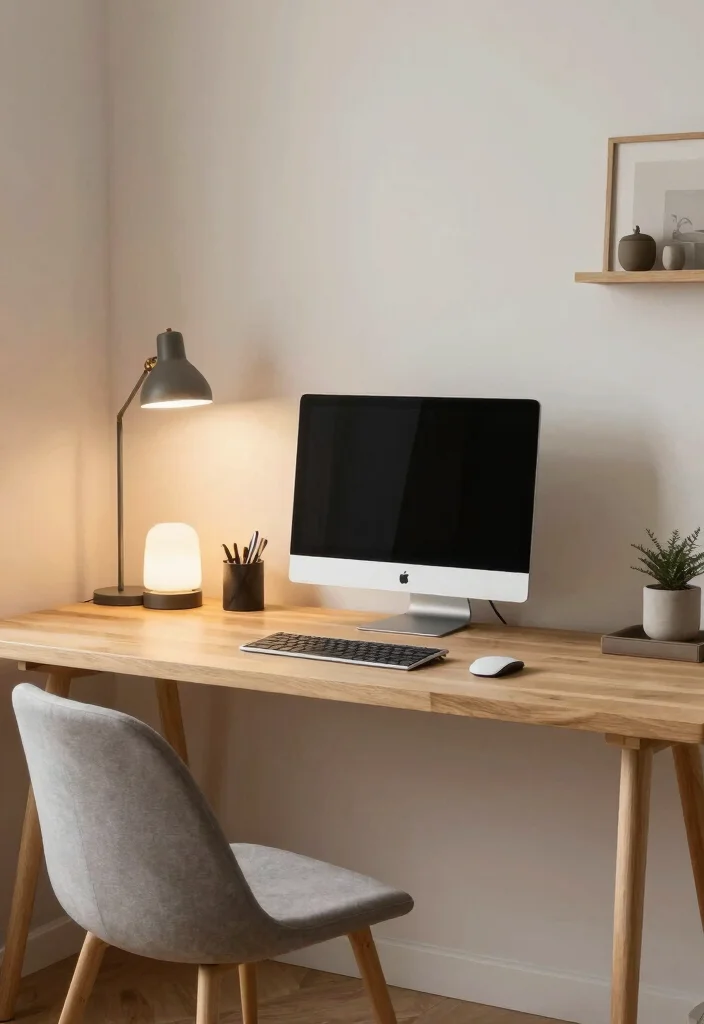
Designing a small home office that functions well and reflects your style is entirely achievable with these ideas. By embracing minimalism and smart organization, you can create a workspace that is not only visually appealing but also enhances productivity. Whether you opt for floating desks, multi-functional furniture, or embrace natural elements, there’s a world of inspiration out there for your perfect office.
Let these suggestions motivate you to craft a space that is uniquely yours, where you can thrive in all your work endeavors.
Note: We aim to provide accurate product links, but some may occasionally expire or become unavailable. If this happens, please search directly on Amazon for the product or a suitable alternative.
This post contains Amazon affiliate links, meaning we may earn a small commission if you purchase through our links, at no extra cost to you.
Frequently Asked Questions
What are some small home office ideas that actually function in a tiny space?
Think vertical and foldable: a wall-mounted desk, a fold-down surface, and shelves that go from floor to ceiling. For small space solutions, pick multifunctional furniture that hides supplies when not in use. Keep a calm home office decor palette and clear zones to improve focus with minimal clutter.
How can I maximize productivity in a small home office without creating clutter?
Start with a simple three-zone layout: a primary work area, a hidden storage zone, and a charging/cable area. Emphasize workspace organization by keeping only what you actively use on the desk and storing the rest in labeled containers. Use productivity tips for home office like task batching and short, focused work sprints to stay efficient in a tight space.
What are smart examples of multifunctional furniture for small home offices?
Examples include a wall-mounted desk with built-in shelves, a filing cabinet on wheels that doubles as a laptop stand, a storage ottoman that hides supplies, and a lift-top coffee table for quick file access. These are classic multifunctional furniture picks that maximize surface area while preserving floor space. When styling, keep lines clean and in a cohesive home office decor theme to feel organized rather than cramped.
How should I choose lighting and color to make a small home office feel larger?
Choose a light, neutral base color and add a single bold accent to keep the space feeling open. Place a large mirror or reflective surfaces to bounce light, and use layered lighting: a bright task light plus soft ambient lighting. Keep desk height and chair ergonomics in mind to boost productivity tips for home office in a compact setup. Good lighting also improves the perception of space in small space solutions.
What are practical tips for organizing a small home office while keeping it stylish?
Declutter regularly, store cables out of sight, and use vertical organizers like wall-mounted filing, pegboards, and floating shelves. Pick storage that doubles as decor (baskets, planters) so home office decor stays polished. Use a simple color-coding system to keep workspace organization intuitive and fast.